Showing posts with label Canoeing. Show all posts

Tuesday, May 19, 2015

Canoeing Culbertson Lake, CA a well earned silence...


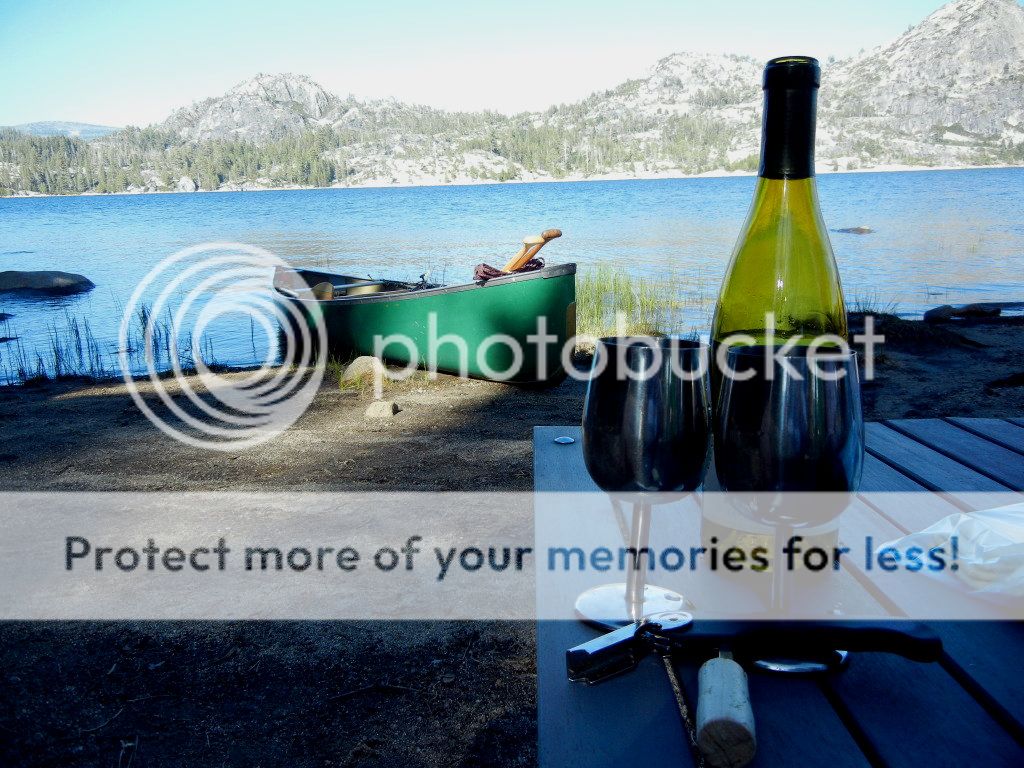
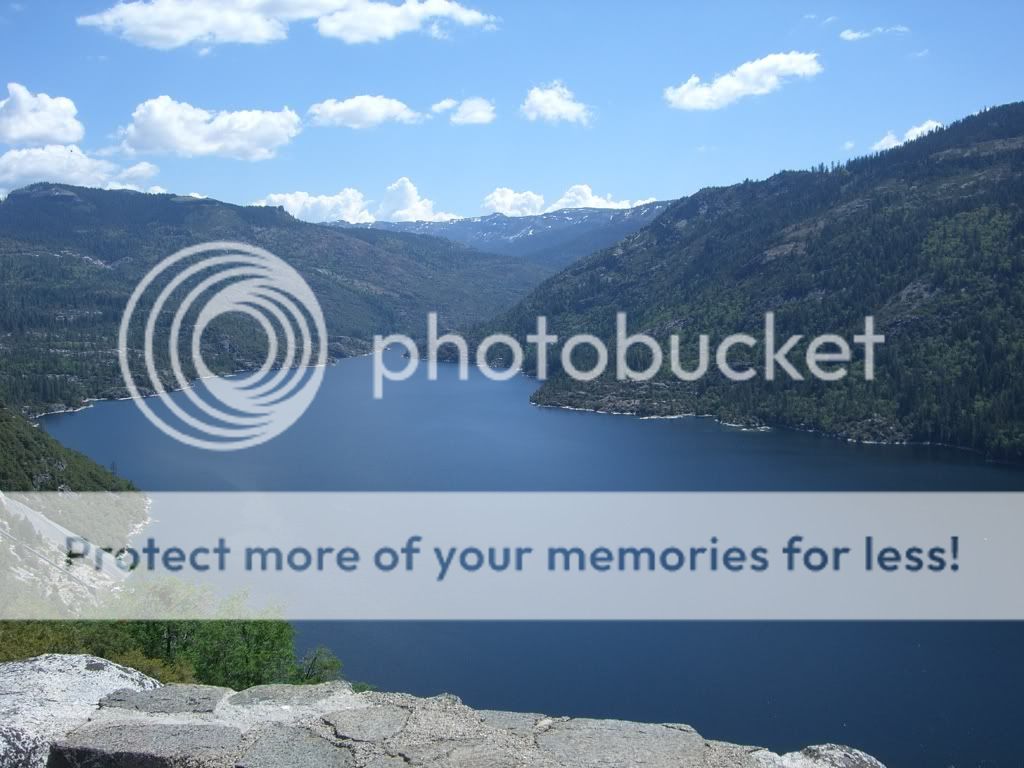
Canoeists in California don’t generally have access to the sort of trips that those in the upper Midwest do. We have no “Land of 10,000 Lakes”, no Algonquin or Boundary Waters or Quetico, and save for the Lower Colorado no long lazy rivers through deep wilderness. I’ve long held a desire for a multi-day trip that would take me through a number of lakes but that’s pretty tough to find. Most lakes in California are either man-made water storage reservoirs in the foothills around urban areas or in the low Sierras or man-made reservoirs for power generation in the high Sierras. The latter has provided a for a few of my trips in the past ( Hell Hole & Iron Canyon ) but given the terrain that they reside in most do not allow one to paddle a lake, hoist your canoe onto your shoulders and hike a reasonable distance to the next lake and repeat. 

But there are a few exceptions if you look really high into the Sierras. In areas where glacial forces long ago carved divots out of the landscape that now hold runoff from winter snows. I’ve found a few chains of these glacial lakes that I wanted to check out and when some unexpected time off presented itself last year I jumped at the chance for a few days away from the Valley, email, cellphones and noise.

Monday, March 10, 2014

Green River Video

I finally got around to compiling my video from a 2010 trip to the Green River in Utah. Huge thanks to Troy of Maddy The Goose, Greg Yoder of Mr.Diversity and Kevin Callan for the inspiration. Thanks to Tex's Riverways for the shuttle and advice. Visit  http://thedamntrueexperiment.blogspot.com/2010/12/blog-post.html for a transcript of my trip journal and tons of photos.

The video is rather long, but the scenery is spectacular....makes me want to do a return trip.


Tuesday, May 14, 2013

Canoeing Iron Canyon Reservoir, Shasta County, CA


We had a pretty mild 2012/2013 winter in CA but the spring has been equally mild and kept the snow pack in the Sierras (limited as it is this year) from melting. All of a sudden in the end of April and 1st week of May the weather turned and the high-country began to give up its stored melt-water and the lakes began to fill.

Without actually having eyes on the lakes it’s difficult to ascertain when this begins to occur. You can try calling marinas, if they exist at the lake you are interested in, or you can try calling Ranger Stations, if you can get someone on the phone who has a pulse but neither of those methods are particularly reliable. I use an online resource provided by the California Data Exchange Center to track water levels in the lakes I am looking to visit http://cdec.water.ca.gov/cgi-progs/staSearch (select the radio button for “Station ID/Name” and enter the name of the lake in question).


I’ve had my eye on Iron Canyon Reservoir for a couple of years now. Iron Canyon is in Eastern Shasta County and is rather remote. It’s a 25mi drive SE of Lake McCloud (which I visited last spring – CLICK HERE ) and 22mi North of the intersection of Big Bend Rd. & CA 299 (Intersection is 37mi East of Redding). The lake sits at 2,660’ altitude and was created in 1965 when PG&E erected an earthen dam impounding Iron Canyon Creek and feeds the James Black Powerhouse which incidentally is one of the larger hydroelectric plants in PG&E’s system. 

Tuesday, April 9, 2013

Outdoor Gear Review - Kelty Coromell Sleeping Bag & Sea To Summit Dry Bag

All of my gear reviews are done through the prism of a guy who is into back country canoeing. With respect to gear this use case is similar to backpacking in that weight is of some concern, but because I'm placing my gear in portage bags in excess of 100 liters and transporting by canoe not backpack I can afford a bit more weight and a bit more bulk. This affords the luxury of a few niceties not available to the backpacker and a bit more comfort as well.

Many of the places I enjoy going on my solo trips are high in the Sierra Nevada Mountains and I enjoy trips in the spring and fall when there are fewer folks around than in the middle of the Summer. As such I regularly experience night time temperatures that are beyond chilly and approaching downright cold and because the weather can change rapidly at high elevations it's always a good idea to be prepared for more weather than the bimbo on the 7-o-clock news has predicted.

I stumbled on a bag that suits my use case perfectly. The Kelty Coromell is a down bag that comes in a slightly roomier shape than the standard "mummy" type bags that are usually found for this temperature range. It's a +0deg down bag which is, quite frankly, warm enough for anything I'll be doing with a little extra warmth for unexpected weather, but the best part is the "semi-rectangular" shape. It provides the warmth and pack-ability of a down bag and a little extra wiggle room in case I want to...wiggle. The hood is removable if need be and has drawstrings to tighten the hood. There are two neck baffles with drawstrings (top/bottom), a full-length zipper and a chest pocket to stash your watch or flashlight for easy retrieval in a dark tent.


With this bag I've comfortably slept in temps as low as +28 degrees wearing nothing but my BVD's and a smile. I'm confident that it would remain comfortable down to it's +0deg rating although at that temperature I may need some polypropylene long underwear. I'm a fairly warm-blooded sleeper though and I do use a substantial inflatable pad so that may not be required. By using the adjustment drawstrings in the neck baffles and the hood I was able to easily modulate ventilation/insulation to a comfortable level. The footbox was perfectly toasty as well. Plenty of room to roll over on my side or position my arms and legs any way I liked. The bag didn't feel restrictive in the least.

The external material has, thus far, been quite durable and the inner material is comfortable on bare skin (some bags just aren't). The zippers are robust, snag-free and have generous pull tabs. I haven't experienced any "feather shedding" as can sometimes happen with down bags and because I store it uncompressed, the loft is just as good as new after two years.

The only gripe I have with the bag has nothing to do with the bag at all but with the compression sack that came with it. Throw it away. It's flippin useless.

I replaced the crap-tastic compression sack with a Sea To Summit 15 liter Compression Dry Sack (purchased at REI). It's a tight fit, but it works & compresses down to the size of a grapefruit taking up very little space in my pack and defends against a soaking wet sleeping bag should I experience the ignominy of dumping my canoe before I get to my destination.

I should add that this bag won't pack as small or be as light as a "traditional" down mummy type bag, but since this is for canoe trips, ultimate light weight and compactness is less of a priority.

Outdoor Gear Review - MSR Whisperlite Universal Stove

When Kathy and I go camping or on canoe trips we tend to bring some pretty spectacular food that requires a double burner stove and full-sized pots/pans. However, when I go out on my own I prefer the simplicity of freeze dried backpacking type meals from Mountain House or Backpackers Pantry. Both companies have a few items in their lineups that are just plain nasty, but for the most part they are pretty good, a few are downright great. When I'm by myself I'd rather spend my time exploring, fishing or taking photos as opposed to preparing complicated meals. I will occasionally fry up a fish, but that's as ambitious as I tend to get on solo trips.

I screwed around with a cheap single burner, coleman propane bottle powered stove for a while and though it worked okay for it's purpose, both it and the bottles were way too bulky, and it was fragile. I had to repair something on it after nearly every trip....it hit the bottom of a trash bin a year ago when I purchased an MSR Whisperlite Universal Stove.

Monday, April 8, 2013

Outdoor Gear Review - MSR Miniworks EX

Whether in a survival situation, a lengthy solo wilderness adventure or a simple weekend fishing or camping trip the one thing you cannot do without is water. For the weekend fishing or camping trip it's easy enough to bring sufficient water with you. However, weather changes fast in the back country and for any number of reasons people often get stranded far from help and that simple trip to your favorite trout stream could very well turn into a solo wilderness adventure and survival situation. Because of that it's always a good idea to have a means of treating water, in sufficient quantity to sustain yourself, for far longer than the scheduled duration of your trip.

There are of course a number of means of treating water and each has their benefits and drawbacks.
  • Boiling water - requires a collection and storage vessel and a stove (or fire) and a pot in which to boil the water
  • Treatment tablets or drops - Treats a limited amount of water, has a limited shelf life, often leaves a foul taste in the water
  • UV treatment pens - Will destroy bacteria, protozoa and viruses. Light weight and compact. Will not remove chemicals and toxins. Expensive and dependent on battery power

Tuesday, August 21, 2012

A Return To Utica Reservoir

Last weekend we'd planned to scoot out of town to Utica Reservoir with another couple to introduce them to back country canoe camping but work got in the way and they had to cancel. Kathy & I had already put in for the day off and we were pretty much packed and ready to go anyway so we went without them....you missed out suckas!

We were able to snag out favorite campsite (from our original trip, HERE ) at the NE end of the lake though doing so wasn't much of a challenge. There were very few people at the lake. I guess now that school is in session through most of the state people are heading to the mountains less...it pays to be a married couple with no kids!

The weather was a bit of mix, it was overcast on Saturday and we even had a brief shower, just long enough to duck into the tent for a flat-out lazy afternoon nap.

Wheeler Peak to the left (~9000') and Bull Run Peak to the right (~9200')

Outdoor Gear Review - Northwest Woodsman Folding Bucksaw

Among the more pleasant elements of a trip into the back country is the time spent at days-end beside the fire. Somewhere deep in our DNA remains an atomic post-it note that tells us the fire is not only a source of warmth but of safety and of comfort and a place for fellowship. That time spent alone with your thoughts sipping the spirit of your choosing or with a buddy or wife is a big part of why we seek the distance from "civilization".  If you are as lucky as I, in that your wife is also your best friend, well so much the better.


Making a fire is easy. We learned the necessary skills in Boy Scout or YMCA camp as kids. Making a GOOD fire is another thing. Collecting deadfall works fine in dry places where wood doesn't remain damp or quickly begin to rot. If you find yourself in a more damp environment you need to find standing dry wood which is often still firmly in the form of a tree, albeit a dead one. The challenge is in turning a 4-8 inch diameter 12 foot tall dead tree into a useful pile of firewood.

Friday, July 27, 2012

A Weekend At The Top Of California - Loon Lake, CA


Hectic work schedules and a frantic early summer full of birthdays, anniversaries & graduations had both Kathy and I at the end of our collective rope. We needed a getaway, and badly at that, but didn't want to hassle with the 4th of July weekend crowds so on the following weekend we loaded up and headed to Loon Lake.

Resting at ~6350' above sea level Loon Lake is a bit of anomaly in large Sierra lakes in that there's always been a lake in the valley in which it resides. The valley once housed Loon & Pleasant lakes and the two were joined into one much larger lake by the 1963 erection of the Loon Lake Dam across the Gerle Creek outflow.

The name of the lake is a bit of a mystery. There are in fact Loons in California but not of the type associated with the Wilderness in Canada, Minnesota and Wisconsin. Those are the "Arctic Loon" who's range does not extend this far South. You can find "Pacific Loon" along the California coast feeding in "near-shore" areas, bays and estuaries but they don't appear in the Sierras.... Perhaps someone just thought it a good name for a lake.


Monday, June 11, 2012

Canoe How-To

At one time or another in our childhood most of us "learned" how to paddle a canoe. Be it at Boy Scout camp or a YMCA summer program, someone strapped you into a smelly life jacket, tossed you a paddle and sent you out on a lake in a clunky, leaky aluminum canoe and told you to have at it. You likely had no idea what you were doing but your got to splash your buddies and you were having fun so who cares?

Now, as an adult, you might be seeking to learn to paddle a canoe without soaking your partner, without the need to bail out the boat every 20min AND have it actually go where you'd like. Below is a video that does a fantastic job describing the various methods of propelling a canoe. The video is tailored to the solo paddler but the strokes all work with a tandem as well.

This short film from Canadian canoeist Bill Mason illustrates paddling solo. All the basic strokes used to control the canoe are rendered with perfect clarity through animated lines. The film was made by the National Film Board of Canada in 1977 which explains the music.....and Mr. Mason's epic tight "jorts".

You know you had a pair just like 'em in '77 as well.


Looking for information about Canoeing in Northern California? Visit: www.norcalcanoeing.com

Tuesday, May 8, 2012

Random Canoeing Photos

There are photographers and there are people who take pictures. My friend John is the former. He runs the website www.photographyreview.com and I urge you to avail yourself of some of his work here http://gallery.photographyreview.com/showgallery.php?ppuser=75191&cat=500. Spectacular stuff. That said, I reside firmly in the latter group...people who take pictures. Like a blind squirrel occasionally finding a nut, I as a not-a-photographer-type person occasionally take a picture I'm not ashamed of. Here are a few that I like.....

Green River, Utah

Afternoon Light At Horseshoe Bend

Thursday, May 3, 2012

California Canoe / Kayak Paddling Guidebooks

California is a simply spectacular place for anyone interested in paddlesports. Short of the multi-day paddle-portage-paddle style tripping done in the Boundary Waters of Minnesota, Algonquin and Quetico there really isn't a form of paddling one can't participate in here. The lack of this traditional style "tripping" is a matter of topography. Most CA lakes are man made, dammed rivers. As such they reside in deep, rough terrain river canyons which makes the prospect of portaging to the next lake in a chain difficult if not impossible. There are very few locations in CA that support this type of tripping and none that I can think of that encompass more than a single days worth of travel. That aside, there is much to be found for the CA paddler; We have Hawaiian Style Outrigger Canoe Racing clubs in the Bay Area & So-Cal, Sea & Surf kayaking and touring, tons of spectacular whitewater opportunities in the Sierras, Cascades and Siskiyou ranges and scores inland & alpine of lakes that are perfect for the flatwater canoeist or kayaker. Depending on how much time you have available and  how far away from it all you want to get there is literally, something for everyone and a place for nearly every type of desired experience.

So how does one locate a destination suitable to the experience they seek? You can only glean so much info from staring at a satellite image on Google maps and even the web will leave you wanting for information on the more remote destinations as I found when researching Lake McCloud in my previous post. The largest online resource is www.paddling.net. It's ok, but the user interface is at best clunky and there isn't much in the way of CA content. There is a small Nor-Cal specific web-forum called www.norcalcanoeing.com but it's just getting started. I'm a member there and we are trying to build the database of destination information but it's going to take time and more participating members to turn it into a good resource. Paddling is an ancient art, and it seems the dissemination of information regarding paddling is best or at least most commonly done by a similarly "old school" means. Books. The intent of this post is to briefly review a few of best.

There are four different resources that I find myself referring to when researching a future trip.

  • Paddling Northern California - By Charlie Pike

  • Up The Lake With A Paddle (Vol 1-4) - By William Van Der Ven

  • Paddling The California Highlands - By John Coale

  • Kayaking California's Flat Waters - By Janice L. Green


Monday, April 30, 2012

Canoeing McCloud Reservoir, Shasta County, CA

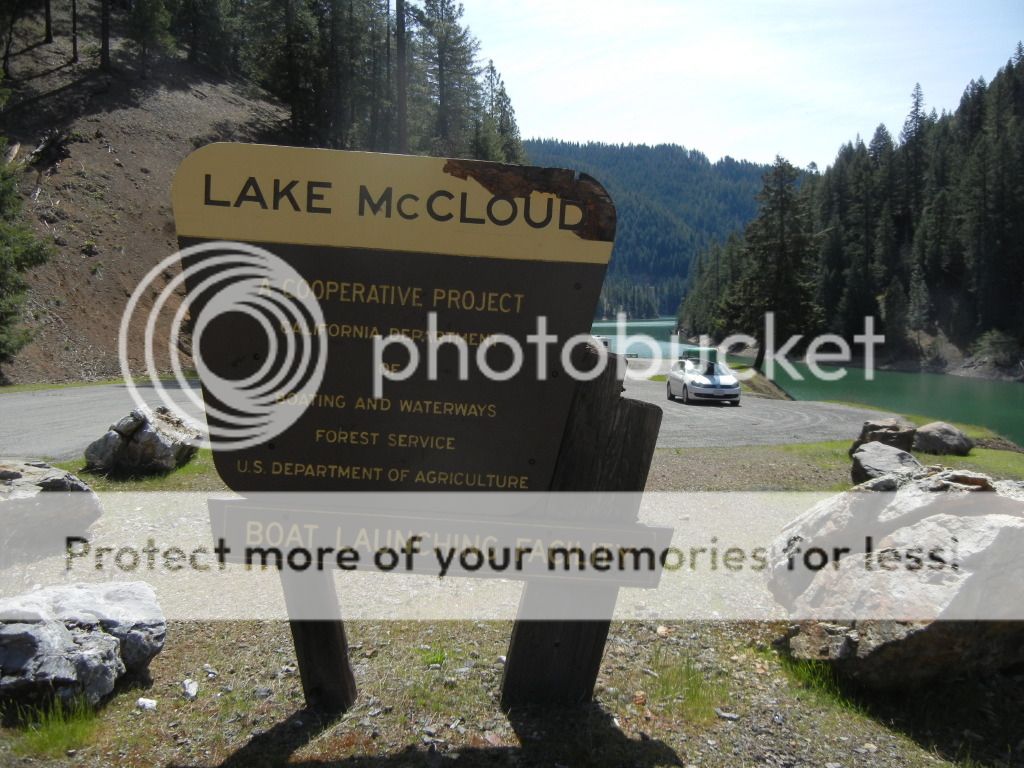
Lake McCloud Reservoir Launch
Things have been pretty hectic of late. Work has been particularly onerous, and there have been a number of sources of stress that combined to create a nearly overwhelming need to disconnect. To go somewhere away from an appointment calendar, Outlook inbox and most of all, a cell phone. Kathy was to be out of town on business for a conference so I jumped at the chance to get away for a few days. The challenge in finding a location was to select a suitably remote location that was accessible this early in the year. Most everything above 3000' in the Sierra range is still inaccessible due to snow or subject to seasonal closure.  

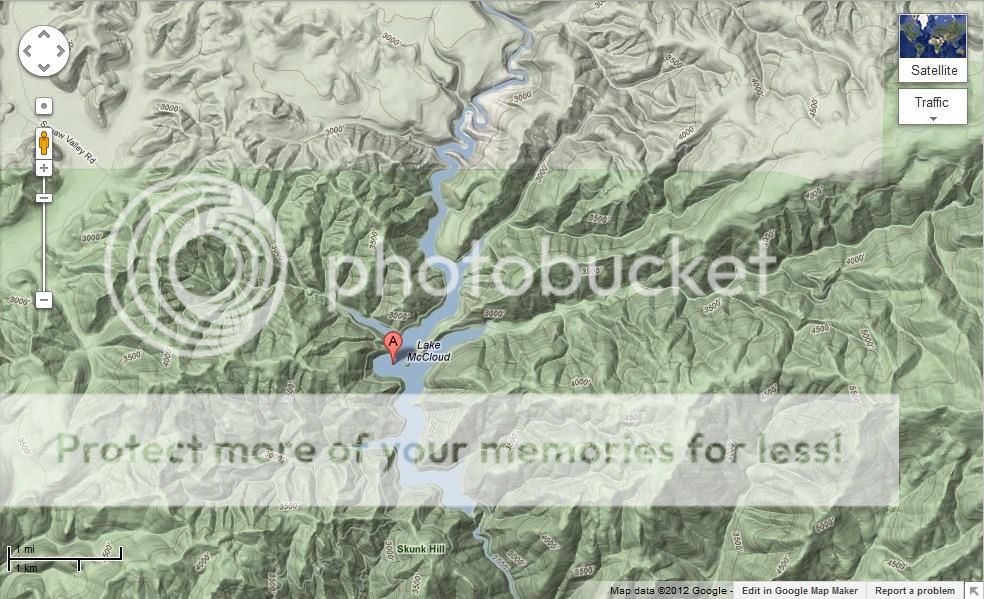
After no small amount of wide-eyed staring at Google Earth I settled on McCloud Reservoir at the Southern end of the Cascade Range in Shasta County.


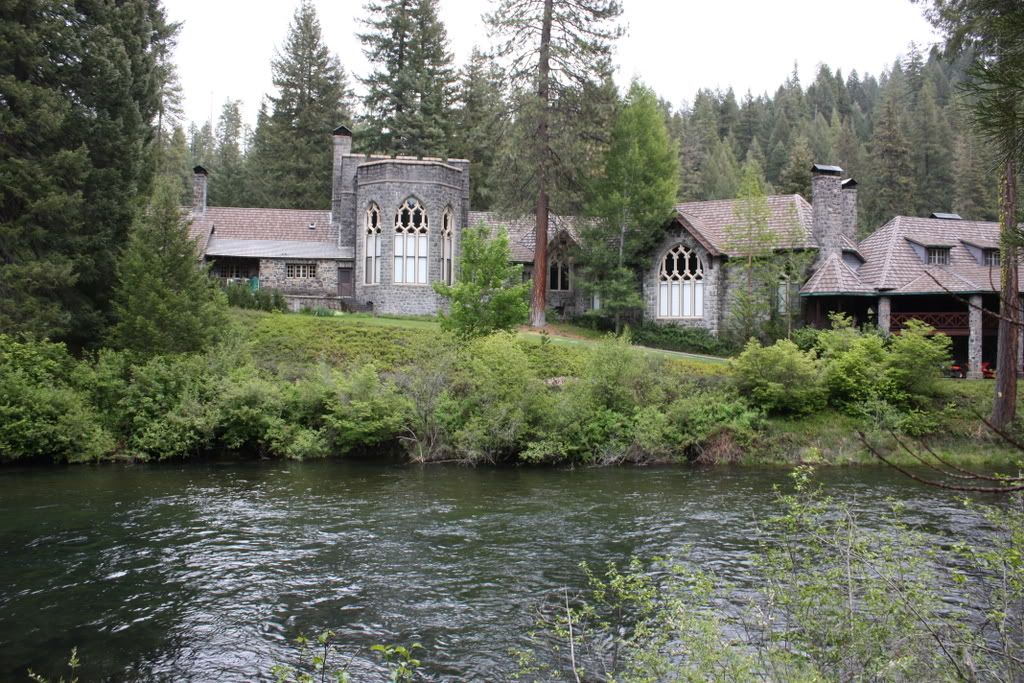
McCloud reservoir was created when PG&E erected an earthen dam over the McCloud river in 1965.  The lake sits at 3000' elevation about 15mi SE of Mt. Shasta. There are 10 miles of shoreline and the lake is about 520 surface acres. The lake is within the Shasta/Trinity National Forest, but most of the land around the lake itself is privately owned by the Hearst Corporation. In fact, William Randolph Hearst built a rather substantial getaway at the Northernmost end of the lake. Called "Wyntoon", it's the other Hearst Castle. Hearst lived here for most of the early part of WWII as he feared the Japanese would target his San Simeon home if they attacked the Western US. The structure was designed by famed San Francisco Architect Julia Morgan who also designed the more widely known Hearst Castle in San Simeon.


Wednesday, April 11, 2012

Outdoor Gear Review; Sierra Designs Zeta-3 & Zia-3 tent


I purchased this tent a month or two before my Green River trip with the intent that I'd have enough room for myself, and enough room to get all my gear inside and out of the weather. Worked beautifully in that regard.

The tent is very comfortable and dry and performed exceptionally in a significant rainstorm that occurred in the middle of my trip. It rained heavily for about 8-10hrs and the inside of the tent was dry as a bone. It's well ventilated as well so the humidity was easily purged once the rain stopped and on warmer nights it remains comfortable and not at all stuffy.

Monday, April 11, 2011

Outdoor Gear Review; Wenonah Adirondack 16' Canoe

Length: 16' (487.68 cm)
Gunwale Width: 35" (88.9 cm)
Maximum Width: 36" (91.44 cm)
Waterline Width: 34.75" (88.265 cm)
Bow Depth: 19.5" (49.53 cm)
Center Depth: 13.5" (34.29 cm)
Stern Depth: 16.5" (41.91 cm)
Rocker: Minimal


This is our first Canoe. We acquired it from California Canoe & Kayak at Jack London Sq. in Oakland. Keith Miller - the owner of California Canoe and Kayak is a great guy and was trying to offload this one and a couple of others that were previously sold to the Save The Bay Foundation. Essentially he rented it to us for a pittance and said if I like it I can keep it for $300. Since it was in pretty good condition we took him up on it.

The Adirondack is designed as a medium volume "performance tripping" boat. The boat is light on initial stability particularly unladen which lends to its efficiency and glide. Secondary stability is quite good though and very confidence inspiring. The boat tracks well and glides easily yet it remains relatively agile with two paddlers. I had no trouble handling the boat myself on my first solo experience and first river experience on my 7day Green river trip. The boat will turn well from the middle, and ferrys easily as well. However, with it's minimal rocker and unflared stems it is by no means a whitewater boat. In class I or flat moving water though it is very capable.


The boat will easily swallow a long weekends worth of gear for two for somewhat luxurious camping. If one were to pack lighter than we usually do it would be fine for at least a week long trip. Loaded as such it is very stable and still maintains generous freeboard and rides dry in up to 2' following wind swell.

As a solo-boat it's tricky. I weigh 220lbs and with the boat unloaded it is just a sail in any kind of wind. You go 2' sideways for every 1' forward. In contrast, when loaded for my 1 week trip on the Green River in Utah I had no trouble in the considerable afternoon desert winds. Though the boat did ship a little water in a 1-2" head-on wind chop. I found the boat manageable, but unpleasant in those conditions and was able to brace the boat when encountering the occasional broach wave refracted off the canyon walls.

Ours is the Tuff-Weave Flex Core layup which weighs in at 54lbs. I have no trouble tossing it up on my shoulders to carry it or getting onto the roof of the car.


Friday, January 14, 2011

Canoeing The Green River in Utah, 120mi Solo


I wanted to share an account of my September 19-26 trip on the Green River in Utah. Over the course of my trip I kept a journal. The original intent was to record what I did and when so that when I had a chance to look at my photos I’d not forget what they were. It wound up morphing into something more than that. Upon review the journal became surprisingly introspective and a bit personal.

The following, is an unedited transcription of the journal accompanied by a slideshow of my photos from the trip:


Thursday, December 2, 2010

Canoeing Utica Reservoir, July 2010


Kathy and I took another trip to the Sierra Range with the canoe in July of 2010. Different location this time, Utica Reservoir. It's quite a bit less remote than Hell Hole Reservoir. Hell Hole is probably 35mi off the nearest main road (Wentworth Springs, not even a highway), while Utica is only 6mi off of CA-SR4.


It's also quite a popular destination for kayaking and canoeing. So there were a lot more people to be seen at the put-in both coming and going. I had a little bit of trepidation about the popularity of the place since due to a rough few weeks at work I was seeking some serious alone time with Kathy. As it turned out my fears were unfounded, we hardly saw anyone all weekend. Not much story, but here are a ton of photos.

Canoeing Hell Hole Reservoir – May 2009

 Kathy and I took this trip back in May of 2009. It was our first Canoeing / Camping trip. We had an absolute ball at this very remote lake in the Sierra Nevada Mountain Range.


If this is Hell, count me in.